MoviesRush
153 Hollywood dramas from 1983 to 2025, all rated PG-13 or gentler.
Most Popular


Best Rated
True Stories


Categories
- True stories (61)
- Sport and dance (47)
- Teachers and students (34)
- Family (76)
- Music (32)
- Survival and adventure (55)
- Wonder (19)
- Justice (23)
- Best rated (48)
Decades
- The 2020s (14)
- The 2010s (63)
- The 2000s (43)
- Before 2000 (33)
- English (153)
How to use this site
Hollywood dramas: the MoviesRush guide
MoviesRush: Hollywood dramas, from The Blind Side, Moneyball, Remember the Titans and Finding Neverland to The Aviator, Driving Miss Daisy, Philadelphia and Mr. Holland's Opus
A drama asks for a little more attention than a comedy and gives a little more back. It is the kind of film that people talk about on the way home: the teacher who stayed for thirty years, the coach who had to make one team out of two, the old man who crossed two states on a lawnmower to see his brother. MoviesRush is a guide to 153 Hollywood dramas made between 1983 and 2025, each with its own page, its story, its year, its running time and a Watch now button that leads to the official services carrying it in your country.
The catalogue has been chosen for households. Every film carries an American rating of PG-13 or gentler, and each was looked at again by hand, so that stories of cruelty were left out along with war films and preaching films. What remains is a library of true stories, sports dramas, classroom dramas, family stories, films about musicians, tales of survival and a small shelf of dramas touched by fantasy.
The sections below take these kinds one at a time, then the actors and the decades, and end with a few plans for a first week. Each section links to a short help page, and the How to watch page sums up the simple steps from a poster to the official service.
How MoviesRush looks
MoviesRush keeps the look of the site it is named after as it stood at the start of 2021: plain, white and quick to read. A menu bar stays at the top of the screen as the page moves, ruled above and below with a thin purple line. It holds the MoviesRush name, its second word in purple, and a row of small bold links in capitals: Home, English, True Stories, Sport, Family, A-Z and My List. A search box with a blue button sits under the bar.
The title of the site is centred beneath, with three coloured buttons, and then the films begin, in a grid six posters wide with generous space between them. Each poster has slightly rounded corners and a soft grey shadow, as though it were pinned to the page, and under it the title and year are centred in bold. Headings such as Most Popular, Best Rated and True Stories are set on pale grey bars. Three lists near the foot give the categories with their counts in brackets, the decades and the help pages, and the page ends with a purple band of small white capitals with wide spacing.
The colours are white, black and one strong purple, with an orange and a blue kept for buttons. The lettering is Lato, with a little extra space between the letters, as in the original. On a telephone the menu folds behind a button with three lines and the posters stand two to a row.
True stories
The True stories category holds 61 films drawn from real lives and real events, and the True stories help page suggests where to begin.
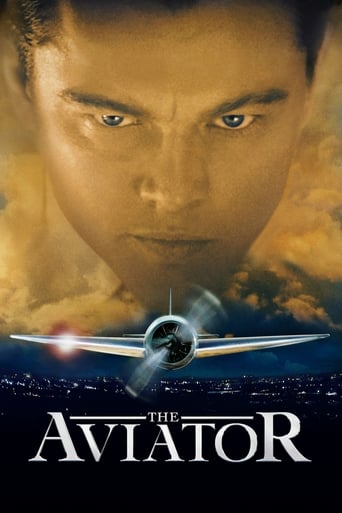
The Aviator, from 2004, directed by Martin Scorsese, is the grandest of them. It follows Howard Hughes, played by Leonardo DiCaprio, from 1927 to 1947: the young heir who spends a fortune making a film about fighter pilots, builds the fastest aeroplane in the world, takes on the great airlines, and all the while fights a private battle with fears and habits he is unable to control. Cate Blanchett won an Academy Award as Katharine Hepburn, and the film won five in all. Tucker: The Man and His Dream, from 1988, directed by Francis Ford Coppola, tells a smaller story in the same spirit: Preston Tucker, who designed a motor car far ahead of its time in 1948 and built fifty of them before larger companies closed in.
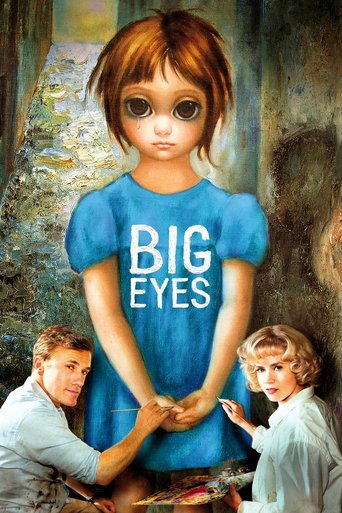
Joy, from 2015, stars Jennifer Lawrence as a divorced mother from Long Island who invents a self-wringing mop and learns the hard way how business is done. Big Eyes, from 2014, directed by Tim Burton, is about the painter Margaret Keane, whose pictures of children with enormous eyes sold in millions while her husband took the credit. Flash of Genius is about the engineer who invented the intermittent windscreen wiper and spent decades proving it, and Hitchcock, from 2012, shows the great director, played by Anthony Hopkins, and his wife Alma, played by Helen Mirren, risking their house to make an unlikely thriller in 1959. Chaplin, from 1992, directed by Richard Attenborough, gave Robert Downey Jr. his first great part as the comedian, from the London music halls to Hollywood and exile.
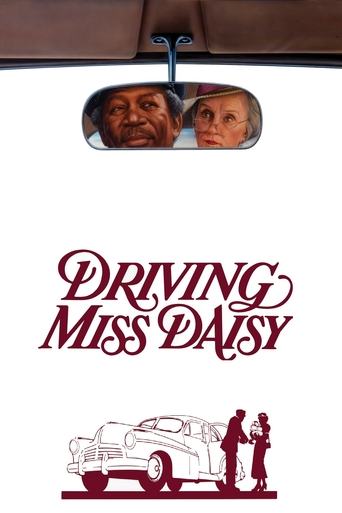
Quieter lives make some of the best films. The Butler, from 2013, is based on a man who served in the White House under eight presidents, and it sets his loyal, silent career beside his son's part in the struggle for civil rights; Forest Whitaker and Oprah Winfrey lead a cast full of famous faces. Driving Miss Daisy, from 1989, which won the Academy Award for best picture, follows a wealthy, sharp-tongued widow in Atlanta, played by Jessica Tandy, and the chauffeur her son hires for her, played by Morgan Freeman, across twenty-five years in which the two become, almost against their wishes, the closest of friends. Philomena, from 2013, is the story of an Irishwoman, played by Judi Dench, who sets out late in life, with a sceptical journalist played by Steve Coogan, to find the son she was made to give up fifty years before.
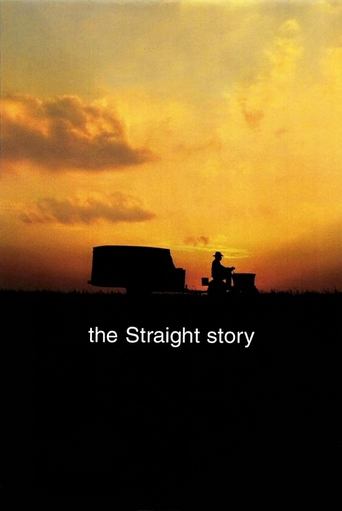
The Straight Story, from 1999, is the gentlest film its director, David Lynch, ever made, and it carries the mildest rating there is. Alvin Straight, a man of seventy-three who can neither see well enough to drive a car nor bear to be driven, hears that his estranged brother has had a stroke. He hitches a trailer to his lawnmower and sets off from Iowa to Wisconsin at five miles an hour, a journey of some weeks, meeting strangers along the road. Richard Farnsworth, who played Alvin at the age of seventy-nine, was nominated for an Academy Award.
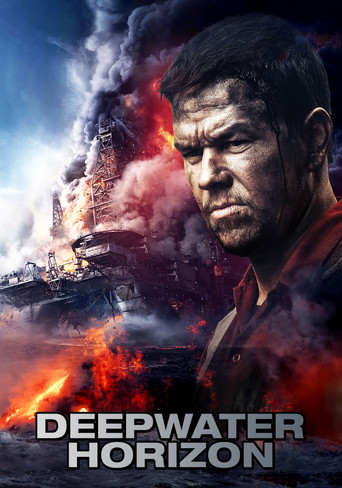
Journeys of other kinds are told in Tracks, from 2013, about a young woman who walked seventeen hundred miles across the Australian desert in 1977 with four camels and a dog; The Mercy, with Colin Firth as an amateur sailor who entered a race around the world in 1968; The Good Lie, about three young men orphaned by the civil war in Sudan who are resettled in Kansas City; Woman in Gold, with Helen Mirren as an elderly refugee who goes to law to recover a famous portrait of her aunt; and Deepwater Horizon, which recreates the last day of an oil rig in the Gulf of Mexico in 2010. Mask, from 1985, with Cher, The Glass Castle, Penguin Bloom, about an injured mother and the magpie her sons bring home, and Arthur the King, from 2024, about an adventure racer and the stray dog that follows his team across a jungle, are true stories of families.
Sport and dance
The sports drama is the most dependable of all American genres, and the Sport and dance category holds 47 films. The Sport and dance help page arranges them by game.
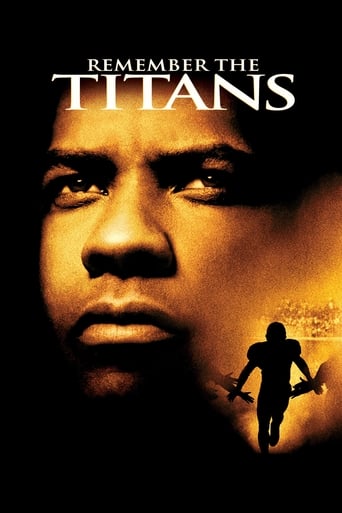
Remember the Titans, from 2000, is set in Alexandria, Virginia, in 1971, when two high schools, one black and one white, were merged, and with them their football teams. Herman Boone, played by Denzel Washington, is appointed head coach over a popular white coach who agrees to stay as his assistant. He takes the players to a training camp, makes them share rooms and learn about one another, and runs them through the dawn to the battlefield of Gettysburg. The team's season, and the friendship of its two captains, changed the town. It is a film to watch with children old enough to ask questions.
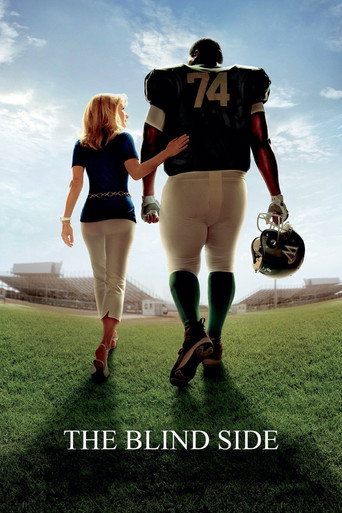
The Blind Side, from 2009, the most popular film in this catalogue after a fairy-tale adventure, tells how Michael Oher, a homeless teenager in Memphis, was taken in by a wealthy family and became one of the most sought-after young players in the country. Sandra Bullock won the Academy Award for best actress as Leigh Anne Tuohy, the mother who decides, one cold night, to turn the car round. Friday Night Lights, from 2004, is a harder-edged portrait of a Texas town that lives for its high school team, The Express is about the first black player to win the game's highest college honour, Radio about a coach and a young man with a learning disability who becomes part of his team, and When the Game Stands Tall, Draft Day and Concussion, with Will Smith as the doctor who studied injuries to players' brains, look at the game from other sides.
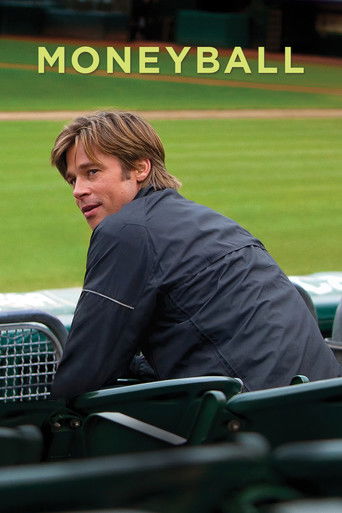
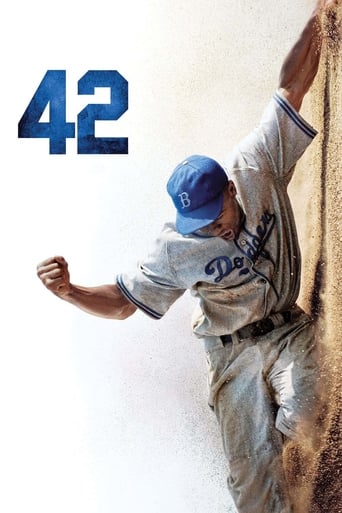
Baseball has the finest films. Moneyball, from 2011, is about the general manager of a poor club, the Oakland Athletics, who in 2002 abandons the wisdom of his scouts and builds a team by statistics, with the help of a young economics graduate. Brad Pitt plays him, the script is one of the best of its decade, and almost all of it takes place in offices and telephone calls. 42, from 2013, tells how Jackie Robinson, played by Chadwick Boseman, became the first black player in the major leagues in 1947, and what it cost him to keep his temper. The Natural, from 1984, with Robert Redford, is baseball as legend, with a bat cut from a tree struck by lightning. Million Dollar Arm, from 2014, follows an American agent who holds a contest in India to find cricketers who can pitch, and brings two young winners to California; Hardball is about a coach of small boys in Chicago.
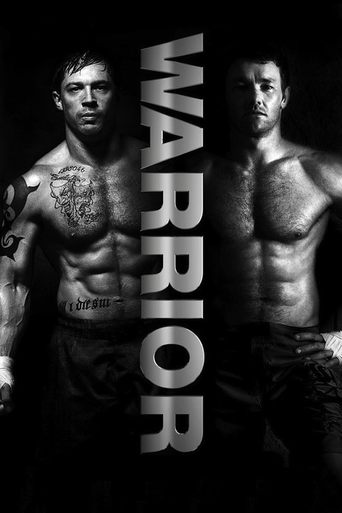
Other games have their films. Chess is the subject of Searching for Bobby Fischer, from 1993, about a seven-year-old prodigy in New York and the father and teachers who must decide how hard to push him, and of Queen of Katwe, from 2016, directed by Mira Nair, the true story of a girl from a poor district of Kampala who learns the game at a mission and becomes a champion of Uganda; Lupita Nyong'o plays her mother. The Greatest Game Ever Played recreates a golf championship of 1913 won by a young amateur with a ten-year-old caddie. Pelé: Birth of a Legend and Goal II: Living the Dream are about football, Chasing Mavericks about surfing, The Miracle Season about a girls' volleyball team, Rise about a family of basketball players from Greece, and The Program about a famous cyclist. Warrior, Over the Top, Best of the Best, Annapolis and Resurrecting the Champ are set in rings and arenas, and Driven and Biker Boyz on tracks.
Dance belongs with sport, since its films follow the same shape of training, setback and performance. Take the Lead, from 2006, stars Antonio Banderas as a ballroom teacher who volunteers to take the detention class at a New York school, and it is based on a real programme. Center Stage, from 2000, follows a year at a ballet academy. Stomp the Yard, You Got Served and Battle of the Year are about street and college dance, and Lords of Dogtown and Peaceful Warrior about skateboarders and a gymnast.
Teachers and students
The Teachers and students category holds 34 films, and the Teachers and students help page picks from it.
Mr. Holland's Opus, from 1995, is the one that teachers themselves love. Glenn Holland, played by Richard Dreyfuss, is a young composer who takes a job teaching music at a high school in 1965, intending to stay for four years while he writes a symphony. He stays for thirty. The film follows him through three decades of pupils, a clarinettist who has given up hope, a drummer short of rhythm, a gifted singer, and through his own difficult love for a son who is deaf, and it ends with a performance that shows what his real composition has been.
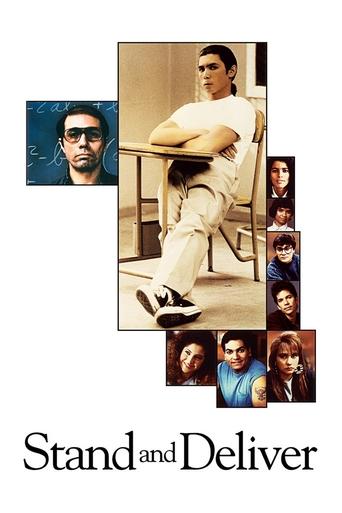
Stand and Deliver, from 1988, is the true story of Jaime Escalante, who taught mathematics at a school in a poor district of Los Angeles and, in 1982, brought a class of eighteen students to pass an advanced examination in calculus, a result so unlikely that the examiners made them sit it again. Edward James Olmos plays him. Lean On Me, from 1989, with Morgan Freeman, is about a headmaster who patrols his corridors with a loudhailer. The Great Debaters, from 2007, directed by Denzel Washington, tells how the debating team of a small black college in Texas, coached by a poet, went unbeaten in 1935 and was invited to face the champions of the country.
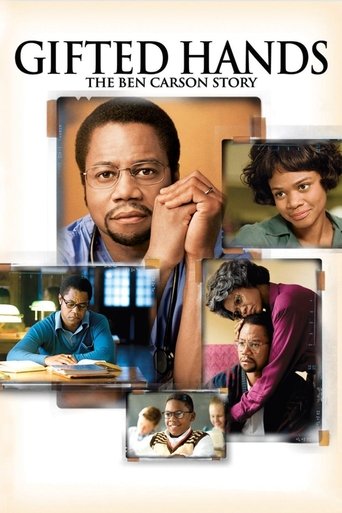
The Emperor's Club, from 2002, has Kevin Kline as a master of classics at a boys' school who bends a rule for one pupil and regrets it for twenty-five years. School Ties, from 1992, set in the 1950s, is about a scholarship boy at a grand school who hides the fact that he is Jewish; Brendan Fraser, Matt Damon and Ben Affleck were all in the cast as young men. Pay It Forward, from 2000, begins with a homework assignment, to think of an idea that could change the world, and a boy who takes it seriously. X+Y, from Britain, follows a shy mathematical prodigy to an international competition, Gifted Hands: The Ben Carson Story follows a struggling schoolboy to a career in surgery, and White Squall, from 1996, directed by Ridley Scott, takes a class of boys to sea for a year on a sailing ship in 1960 under a captain played by Jeff Bridges.
Family dramas
The Family category is the largest, with 76 films, and the Family dramas help page suggests a few to begin with.
A River Runs Through It, from 1992, directed by Robert Redford from a memoir by Norman Maclean, is set in Montana in the early years of the last century. Two brothers, sons of a Presbyterian minister, one careful and one wild, are taught by their father to cast a fly rod to the beat of a metronome, and fishing remains the one language the three have in common. Brad Pitt, in the part that made him a star, plays the younger brother, and the photography of the river won an Academy Award.
I Am Sam, from 2001, is about a father with the understanding of a seven-year-old who fights to keep his daughter as she begins to outgrow him; Sean Penn plays him, Dakota Fanning the girl, and the songs of the Beatles run through it. Everybody's Fine, from 2009, sends a widower, played by Robert De Niro, across America by train and bus to pay surprise visits to his four grown children, each of whom has been telling him a comfortable story. A Better Life, from 2011, is about a gardener in Los Angeles who buys a truck to give his teenage son a future, and what happens when it is stolen. An Unfinished Life, with Robert Redford as a rancher who takes in his daughter-in-law and the granddaughter he has only just learned of, Black or White, People Like Us, Mr. Church, with Eddie Murphy in a serious part as a cook who stays with a family for fifteen years, and Max, about a boy and a retired army dog, are films of the same kind.
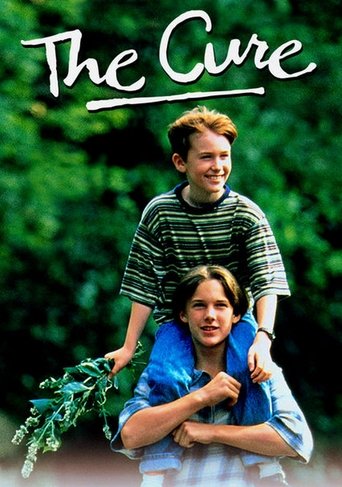
Illness is treated with honesty and restraint in My Sister's Keeper, Marvin's Room, in which two sisters who have been silent with each other for twenty years, played by Meryl Streep and Diane Keaton, are brought together, The Cure, about two boys who set off down the Mississippi on a raft, Rabbit Hole and After the Wedding. Extremely Loud & Incredibly Close, from 2011, follows a boy of nine who searches New York for the lock that fits a key his father left behind. In America, from 2003, directed by Jim Sheridan, is about an Irish family who arrive in a rough part of Manhattan with two small daughters and very little money, and it is seen through the girls' eyes.
Old age has some of the best films. Lucky, from 2017, was the last performance of Harry Dean Stanton, at ninety, as a stubborn desert-town bachelor who begins to consider his own end. 5 Flights Up has Morgan Freeman and Diane Keaton as a couple who must decide whether to sell the flat they have lived in for forty years. Mr. Holmes, from 2015, imagines the great detective, played by Ian McKellen, at ninety-three, keeping bees on the Sussex coast and trying to remember his last case. Still Life, from Britain, is about a council clerk whose job is to find the relatives of people who have died alone. Here, from 2024, directed by Robert Zemeckis, keeps its camera in one spot for the whole film and watches a single living room, and the family of Tom Hanks and Robin Wright, across a century. Train Dreams, from 2025, follows a logger and railway labourer of the American north-west through the first half of the last century.
Music
The Music category holds 32 films, and the Music help page describes them. Shine, from 1996, tells the story of David Helfgott, an Australian pianist of extraordinary gifts who broke down as a student under the weight of his father's expectations and one enormously difficult concerto, and who found his way back to the concert hall years later. Geoffrey Rush won the Academy Award for best actor. La Bamba, from 1987, is the short life of Ritchie Valens, a teenager from a family of farm workers in California who had three hit records in 1958. Whitney Houston: I Wanna Dance with Somebody and Springsteen: Deliver Me from Nowhere, from 2025, about the making of a stark record in a rented bedroom in 1982, are recent portraits.
If I Stay, from 2014, is about a young cellist who must choose between a place at a great music school and the boy she loves. Swing Kids, from 1993, is set in Hamburg in 1939, among teenagers who defy the authorities by dancing to American jazz. Teen Spirit follows a shy girl from the Isle of Wight into a television singing contest, Jem and the Holograms a band of sisters, and Mr. Holland's Opus and Take the Lead, already described, are as much about music as about teaching.
Survival and adventure
The Survival and adventure category holds 55 films, and the Survival and adventure help page divides them. All Is Lost, from 2013, has a cast of one. Robert Redford, at seventy-seven, plays a man sailing alone in the Indian Ocean whose yacht is holed by a drifting container. He patches it, loses his radio, rides out a storm and takes to his raft, and through the whole film he speaks hardly a sentence. Arctic, from 2018, does the same with Mads Mikkelsen and a crashed aeroplane in the far north, and Land, from 2021, directed by and starring Robin Wright, is about a grieving woman who moves to a cabin in the mountains of Wyoming with too little knowledge to survive the winter.
Groups in danger are the subject of Flight of the Phoenix, in which the survivors of an air crash in the Gobi Desert try to build a new aeroplane from the wreck of the old; The Guardian, with Kevin Costner as an instructor of coast guard rescue swimmers; White Squall; and Supercell, about a boy who follows his late father's trade of chasing storms. Mud, from 2013, is an adventure in the manner of Mark Twain: two boys on the Mississippi find a boat lodged in a tree and a stranger living in it, played by Matthew McConaughey. Greystoke: The Legend of Tarzan, Lord of the Apes, from 1984, is the most serious version of that story, and White Hunter, Black Heart, directed by and starring Clint Eastwood, is about a film director in Africa who is more interested in hunting than in his film.
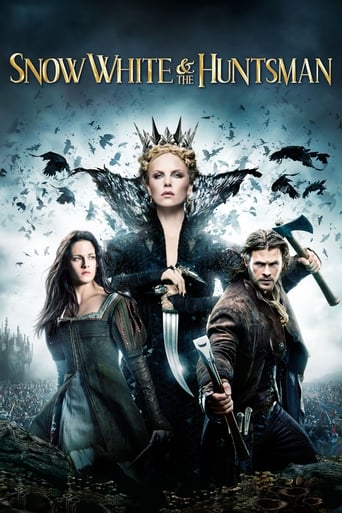
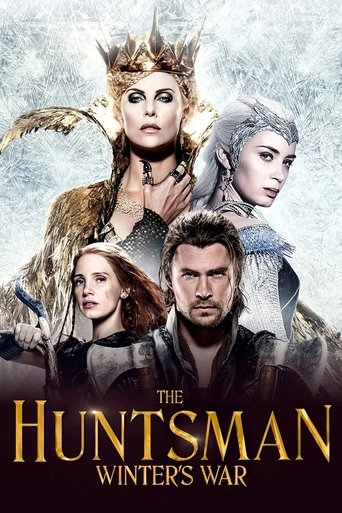
A few costume adventures round out the shelf: Snow White and the Huntsman and The Huntsman: Winter's War, which turn the fairy tale into a saga of queens and warriors; DragonHeart, from 1996, in which a knight and the last dragon, voiced by Sean Connery, go into business together; The Eagle, about a young Roman officer in the north of Britain; 10,000 BC; and Dungeons & Dragons.
Wonder
Some dramas open a door on to the fantastic and stay serious. The Wonder category holds 19 of them, and the Wonder help page arranges them.
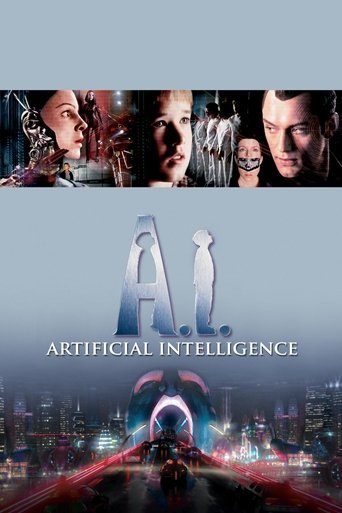
A.I. Artificial Intelligence, from 2001, was planned for many years by Stanley Kubrick and made after his death by Steven Spielberg. David, a robot built in the form of a boy of eleven and designed to love, is adopted by a couple whose own son is ill; when the son recovers, David is left in a forest, and he sets out, with a mechanical teddy bear for a companion, to find the Blue Fairy who he believes can make him real. It is a strange, sad and beautiful fairy tale, and Haley Joel Osment's performance is remarkable. After Yang, from 2022, directed by Kogonada, is a quiet film on a related theme: when the android who has been an elder brother to their adopted daughter stops working, a family looks through his memories and discovers how much he saw.
The Man from Earth, from 2007, takes place in one room on one evening. A professor who is leaving his post tells the colleagues gathered to say goodbye that he is fourteen thousand years old, and for ninety minutes a historian, a biologist, an anthropologist and a psychologist try to catch him out. It was made for a very small sum and has been passed from viewer to viewer ever since. Another Earth, Midnight Special, about a father protecting a son with extraordinary gifts, Powder, The Last Mimzy, Hereafter, directed by Clint Eastwood, and Lady in the Water are other dramas with one foot outside the ordinary world.
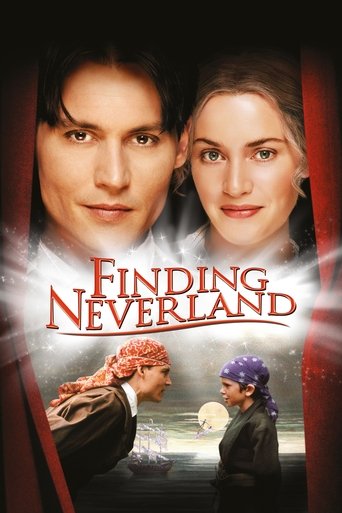
Finding Neverland, from 2004, is the story of how the playwright J. M. Barrie, played by Johnny Depp, met a widow and her four sons in a London park and found in their games the idea for Peter Pan. Kate Winslet plays the mother, and the first night of the play, with orphans scattered through the audience, is unforgettable. Wonderstruck, from 2017, follows two deaf children fifty years apart, each of whom runs away to New York. The Wonderful Story of Henry Sugar, from 2023, a short film by Wes Anderson from a tale by Roald Dahl, with Benedict Cumberbatch as a rich idler who teaches himself to see through playing cards, won an Academy Award, and The Swan is its companion. The Tree of Life, from 2011, by Terrence Malick, sets the childhood of three brothers in Texas in the 1950s against the history of the universe; Beasts of the Southern Wild sees a flooded corner of Louisiana through the eyes of a six-year-old called Hushpuppy; and I Kill Giants is about a girl who meets a hard time at home with a fierce imagination.
Justice
The Justice category holds 23 films about courts and about people who stood up, and the Justice help page lists them.
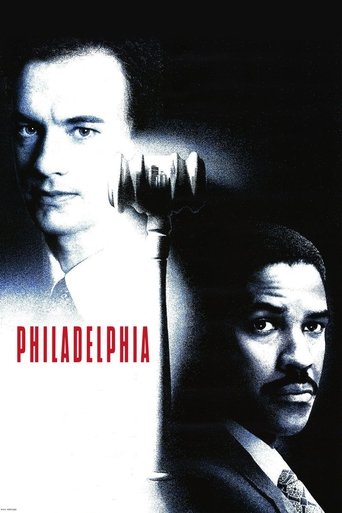
Philadelphia, from 1993, was the first large Hollywood film about AIDS. Andrew Beckett, a gifted young lawyer played by Tom Hanks, is dismissed by his firm when the partners learn of his illness, and the only attorney who will take his case is a small-time advocate, played by Denzel Washington, who must first overcome his own fears. Hanks won the Academy Award for best actor, and the song written for the film by Bruce Springsteen won another. It is a film for older children and adults, and a humane one.
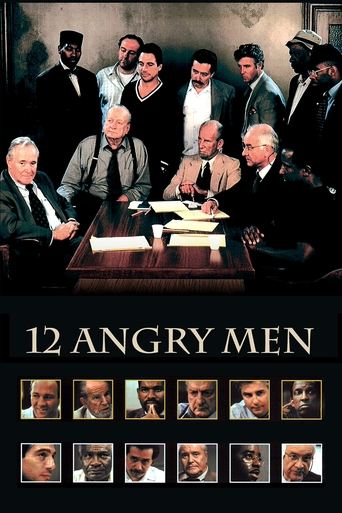
A Civil Action, from 1998, follows a personal injury lawyer, played by John Travolta, who takes on two large companies on behalf of families in a Massachusetts town whose water was polluted, and risks everything he owns. Marshall, from 2017, shows Thurgood Marshall, later a justice of the Supreme Court, as a young lawyer defending a chauffeur in Connecticut in 1941; Chadwick Boseman plays him. 12 Angry Men, in the television version of 1997, with Jack Lemmon and George C. Scott, shuts twelve jurors in a hot room until one man's doubt has been heard.
From Britain come two films about the long campaign against the slave trade. Amazing Grace, from 2007, follows William Wilberforce through twenty years of defeats in Parliament to the vote of 1807. Belle, from 2013, is drawn from the life of Dido Elizabeth Belle, the daughter of a naval officer and an enslaved woman, who was raised in the household of the Lord Chief Justice of England at the time he heard a case that helped to change the law. The Secret Life of Bees, set in South Carolina in 1964, Passing, set in Harlem in the 1920s, Of Mice and Men, from the novel by John Steinbeck, and Columbus, a modern film about two people and the buildings of a small town in Indiana, are quieter studies of fairness and belonging.
Medicine and science
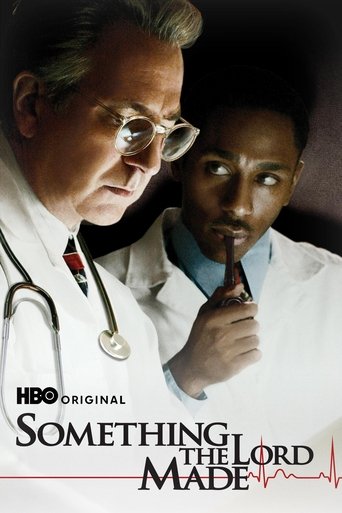
The Medicine and science help page gathers a group of films about doctors, patients and discovery. Something the Lord Made, from 2004, is the true story of a white surgeon, played by Alan Rickman, and his black laboratory assistant, a carpenter by training, who together devised the first operation on the hearts of infants in the 1940s, and of how long it took for the assistant to be recognised. Lorenzo's Oil, from 1992, directed by George Miller, who was himself a doctor, follows two parents, untrained in medicine, who refuse to accept that their son's illness is beyond help, read their way through the scientific literature and find a treatment. Extraordinary Measures tells a similar story of a father and a researcher, Brain on Fire is about a young reporter whose sudden illness baffles a whole hospital, and The Beaver, directed by Jodie Foster, is a study of depression in a family.
From page and stage
Many of these films began in print, and the From page and stage help page names them. Hamlet, from 1996, directed by and starring Kenneth Branagh, is the only film of the play to use the complete text, and runs for four hours in a nineteenth-century setting with a cast that includes Derek Jacobi, Julie Christie and Kate Winslet. Orlando, from 1992, from the novel by Virginia Woolf, follows a young nobleman of the court of Elizabeth I, played by Tilda Swinton, who lives for four centuries and wakes one morning as a woman. Hearts in Atlantis, White Oleander, The Deep End of the Ocean, Wildlife and The Railway Children Return, which goes back to a Yorkshire village and a much-loved English children's story, come from novels.
Actors to follow
The Actors to follow help page suggests a few paths through the catalogue. Denzel Washington is here as the coach of Remember the Titans, the reluctant lawyer of Philadelphia and the professor of The Great Debaters. Tom Hanks appears in Philadelphia, Extremely Loud & Incredibly Close and Here. Robert Redford, as actor and director, links The Natural, A River Runs Through It, An Unfinished Life and All Is Lost across thirty years. Morgan Freeman is the chauffeur of Driving Miss Daisy, the headmaster of Lean On Me and the husband of 5 Flights Up.
Among actresses, Sandra Bullock, Helen Mirren, in Hitchcock and Woman in Gold, Meryl Streep, Diane Keaton, Michelle Pfeiffer and Judi Dench lead films here, and the younger generation is represented by Jennifer Lawrence, Brie Larson, Chloe Grace Moretz and Elle Fanning. Chadwick Boseman, who died in 2020, left two fine portraits of pioneers in 42 and Marshall. Kevin Costner, the face of the American sports film, is in Draft Day, The Guardian and Black or White.
Decade by decade
Four categories arrange the catalogue by date, and the Decade by decade help page describes them. The Before 2000 category holds 33 films: The Natural, Mask, Stand and Deliver, Driving Miss Daisy, A River Runs Through It, Philadelphia, Searching for Bobby Fischer, Mr. Holland's Opus, Shine and The Straight Story.
The The 2000s category holds 43: Remember the Titans, Pay It Forward, I Am Sam, A.I. Artificial Intelligence, Finding Neverland, The Aviator, Friday Night Lights, The Great Debaters and The Blind Side. The The 2010s category is the largest, with 63: Moneyball, Warrior, 42, The Butler, Philomena, All Is Lost, Mud, Joy, Queen of Katwe, Wonderstruck and Lucky. The The 2020s category holds 14, among them Land, Passing, After Yang, Rise, The Wonderful Story of Henry Sugar, Here, Arthur the King and Train Dreams.
The Best rated category gathers the 48 films rated 7.2 or more out of ten by viewers around the world. Drama is the genre in which ratings are most reliable, since people tend to remember clearly whether a serious film moved them; the Most Popular grid on the home page, ordered by the number of votes, is a second guide.
Finding a film
There are several ways to find a film on MoviesRush, and the Finding titles help page describes each one. The search box under the menu bar accepts a title and shows matching films as you type. The A to Z page lists all 153 films in alphabetical order, the English page lists them by popularity, and the Categories and Decades lists on the home page give the number of films in each.
A few titles need care. Films that begin with a number, 42, 5 Flights Up, 10,000 BC and 12 Angry Men, are filed before the letter A, and X+Y is filed under X. Titles beginning with The or A are filed under the next word. Punctuation is ignored by the search, and one distinctive word, Moneyball, Philomena or Katwe, is usually enough.
What a title page shows
Each film has its own page, arranged in the same order every time. The poster is shown with the title, the year, the running time and the average rating from viewers around the world. Then come the story, the genres, the director and the leading actors, and after them a row of films from the same categories. The Watch now button opens the list of official services that carry the film in your country.
Dramas of this kind are well kept by the official services. The streaming services run by the studios hold their back catalogues, the general services license hundreds more, and nearly every title can be rented or bought for a small sum from the digital shops. Many are offered with Hindi and other soundtracks or subtitles, chosen in the player. What a subscription includes changes from month to month, so the list on each title page is the place to look.
The Add to My List button on a title page saves a film for later. The list is held by the browser on your own device, needs neither an account nor a password, and opens from the My List link at the end of the menu bar. The My List help page explains how to remove a film and how to carry the list to a second device.
A first week
Here are seven evenings for a household new to the catalogue. On the first, watch Remember the Titans. On the second, Finding Neverland. On the third, Moneyball. On the fourth, Mr. Holland's Opus. On the fifth, The Straight Story, which the whole family can share. On the sixth, Queen of Katwe, and on the seventh, Driving Miss Daisy.
A second week might hold The Blind Side, A River Runs Through It, Stand and Deliver, Philomena, 42, Shine and The Aviator. For an evening with older children, choose Searching for Bobby Fischer, The Greatest Game Ever Played or Million Dollar Arm; for something to think about afterwards, The Man from Earth, After Yang or A.I. Artificial Intelligence; and for a quiet night alone, All Is Lost, Lucky or Columbus.
A word on how to watch a drama with a family. These films reward a pause. When the coach makes his speech at Gettysburg, when the teacher is handed his baton, when the old man reaches his brother's porch, it is worth stopping afterwards to ask the younger viewers what they made of it. The best of these films were built to start conversations, and that is a large part of their value in a home.
What the ratings mean
Every film on MoviesRush was rated PG-13, PG or G by the American ratings board. G means suitable for all ages, PG suggests that parents may wish to watch with younger children, and PG-13 advises that some material may be unsuitable for those under thirteen, which in a drama usually means a serious subject, such as illness, loss or injustice, handled with restraint. Films with the stricter R rating were left out. The gentlest titles for younger children include The Straight Story, The Greatest Game Ever Played, Queen of Katwe, The Railway Children Return, The Last Mimzy, Max and Pelé: Birth of a Legend.
How true is a true story
Sixty-one of the films here announce that they are based on real events, and viewers often ask how far that can be trusted. The honest answer is that a film is a portrait, and a portrait differs from a photograph. Screenwriters combine several real people into one character, move events closer together in time and invent conversations that nobody recorded. In Remember the Titans the season was real and so were the coaches, while some of the opponents and several scenes were shaped for the story. In Moneyball the young assistant is an invented figure standing in for a real colleague who preferred to keep his name out of it. The Blind Side simplifies a long and more complicated history, and similar liberties are taken by almost every sports film ever made.
This is less a fault than a convention, and the best films are faithful where it matters: to the character of the person and the meaning of what happened. Stand and Deliver compresses several years of patient work into one, yet the examination results were exactly as shown. 42 gives its hero a few speeches he probably left unspoken and is scrupulous about the abuse he endured. Philomena changes the journey and keeps the woman. A good habit, after a true story has been watched, is to spend ten minutes reading about the real events; the films gain from it, and children learn to tell a record from a retelling.
What these films are about
Seen together, the dramas on MoviesRush return to a handful of subjects. The first is the teacher or coach who sees in a young person something the world has missed: Mr. Holland, Coach Boone, Jaime Escalante, the chess teacher of Katwe. The second is the family under strain that holds, or learns to: the brothers of Montana, the father and daughter of I Am Sam, the widower on his long bus journey. The third is the stubborn individual who refuses to give way to a larger power, an inventor against the car makers, a lawyer against a chemical company, a weaver of mops against a television network.
The fourth is the person who changes late, and it produces some of the most moving films: the widow who makes a friend of her chauffeur, the detective who revisits his last mistake, the rancher who forgives. And the fifth is simple endurance, on a raft, on an ice field, on a lawnmower on the hard shoulder of a highway. These are old subjects, older than the cinema, and that is why the films last. A household that watches a dozen of them over a winter will have spent its evenings in very good company.
How the catalogue is kept
People, and only people, decide what appears on MoviesRush. A title is first compared with its certificate, and then its story and the notes written for parents are read before it is accepted. Descriptions are kept short, years and running times are checked against the public film databases, and posters are the official ones. The grids on the home page and the bracketed counts are recalculated when the catalogue is refreshed.
MoviesRush is a guide. It contains neither films nor files to download; the Watch now button opens an official, licensed service, so the people who made the film are paid when you watch.
Questions and answers
Questions
What is MoviesRush?
MoviesRush is a guide to 153 Hollywood dramas made between 1983 and 2025. Each film has a page with its story, year, running time, director and cast, and a Watch now button that leads to the official services carrying it in your country.
Which films should I watch first?
Start with Remember the Titans, Finding Neverland, Moneyball, Mr. Holland's Opus, The Straight Story and Driving Miss Daisy. The first-week plan in the guide suggests many more.
Is the catalogue suitable for families?
Every film is rated PG-13 or gentler in the United States and was checked again by hand. The guide also names the gentlest titles for younger children.
How many true stories are there?
The True stories category holds 61 films, among them The Aviator, The Blind Side, 42, Philomena, Queen of Katwe and The Straight Story.
Are there films with Hindi audio?
Many official services offer these films with Hindi and other soundtracks or subtitles. The services listed on each title page show the languages they provide.
Are there sports films?
Yes. The Sport and dance category holds 47 films about American football, baseball, chess, golf, surfing, football and dance.
How does My List work?
Press Add to My List on the page of any film. The list is kept by your own browser, free of charge, and the My List link in the menu bar opens it.
Does MoviesRush host films or downloads?
MoviesRush is a guide only. Every Watch now button leads to an official, licensed service.
